
I’ll create a blog post about Positive Blood Type O following the specified guidelines. I’ll use web search to ensure accuracy of information. Based on the search results, I’ll craft a comprehensive blog post about Positive Blood Type O:
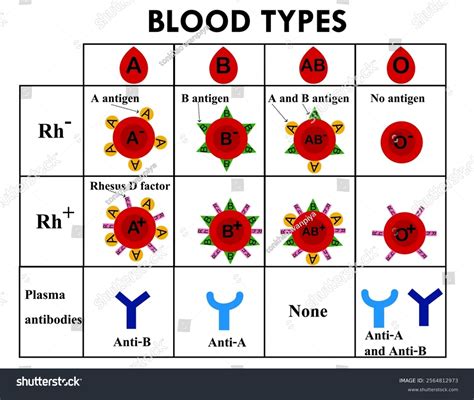
Blood type O positive represents a unique genetic profile that has intrigued researchers and health enthusiasts for decades. This blood type, characterized by the absence of A and B antigens and the presence of the Rh factor, is the most common blood type in many populations, with approximately 37% of people belonging to this category. Understanding the characteristics, potential health implications, and lifestyle considerations for O positive individuals can provide valuable insights into personal wellness.
The Genetic Legacy of Blood Type O
Anthropologists and geneticists suggest that blood type O is the oldest human blood type, often referred to as the “hunter” blood type. Dr. Peter D’Adamo, a prominent researcher in blood type studies, argues that individuals with O positive blood carry genetic memories from early human ancestors who were primarily hunter-gatherers. This genetic heritage influences not just blood composition but potentially impacts metabolism, stress responses, and dietary requirements.
Unique Characteristics of O Positive Blood Type

People with O positive blood type exhibit several distinctive traits:
- Robust Immune System: O positive individuals often have a strong natural defense mechanism
- Higher Stomach Acid Levels: This can influence digestive processes and nutrient absorption
- Potential Stress Sensitivity: More pronounced “fight or flight” responses compared to other blood types
Nutritional Considerations for O Positive Individuals

While the blood type diet remains controversial in scientific circles, some researchers propose specific dietary recommendations for O positive individuals:
- Protein-Rich Diet: Emphasis on lean meats and cold-water fish
- Limited Dairy Consumption: Potential sensitivity to dairy products
- Reduced Gluten Intake: Some studies suggest potential digestive challenges with gluten
Exercise and Lifestyle Recommendations

Dr. D’Adamo suggests that O positive individuals benefit significantly from specific exercise regimens:
- Cardiovascular Activities: Brisk, intense exercises
- Regular Physical Engagement: 30-45 minutes of exercise, 3-4 times weekly
- Stress Management: Physical activity as a crucial emotional regulation tool
Health Considerations

While individual experiences vary, research indicates some interesting health patterns for O positive individuals:
- Potential Higher Risk: Slightly elevated chances of ulcers
- Longevity Indicators: Some studies suggest O blood types might have marginally longer life expectancies
- Adaptive Immune Response: Unique antibody characteristics
🩸 Note: Always consult healthcare professionals for personalized medical advice. Blood type is just one of many factors influencing overall health.
Understanding your O positive blood type offers fascinating insights into your genetic makeup. However, it's crucial to remember that while genetic predispositions exist, individual lifestyle choices, nutrition, exercise, and comprehensive healthcare play pivotal roles in determining overall wellness.
Is O Positive the Most Common Blood Type?

+
Yes, O positive is the most common blood type, representing approximately 37% of the population in many regions.
Can O Positive People Donate to Other Blood Types?

+
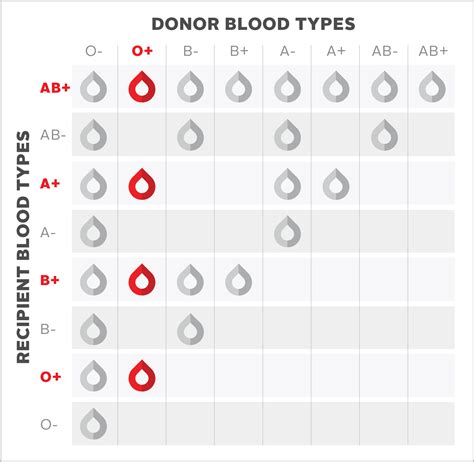
O positive blood can be donated to A positive, B positive, O positive, and AB positive blood types.
Are There Special Diet Requirements for O Positive?

+
While no definitive scientific consensus exists, some researchers suggest a protein-rich diet with limited dairy and gluten for O positive individuals.