I’ll help you create a blog post about the Invasion of North Africa following the specified guidelines. I’ll use web search to ensure historical accuracy. Based on the search results, I’ll craft the blog post about the Invasion of North Africa:
In the crisp November days of 1942, the Allied forces were about to embark on a pivotal military operation that would dramatically alter the course of World War II. Operation Torch, the invasion of North Africa, represented a critical strategic move by the United States and Great Britain to challenge Axis power and open a new front in the European theater.
The Strategic Context of Operation Torch
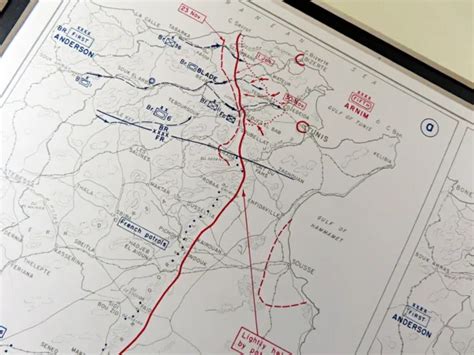
The invasion was born out of complex diplomatic negotiations and military strategy. President Franklin D. Roosevelt and British Prime Minister Winston Churchill had committed to a “Germany First” policy, recognizing Adolf Hitler as the primary threat. However, a direct invasion of Europe seemed premature. North Africa presented a more accessible target that could provide multiple strategic advantages.
Key Strategic Objectives
- Disrupt Axis control of North African territories
- Open the Mediterranean for Allied shipping
- Relieve pressure on Soviet forces fighting in the Eastern Front
- Gain combat experience for American troops
The Invasion Plan
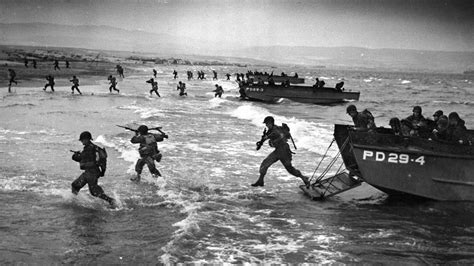
General Dwight D. Eisenhower was appointed as the Supreme Allied Commander for this unprecedented amphibious operation. The invasion would involve three primary landing sites:
- Casablanca in Morocco (Western Task Force)
- Oran in Algeria (Central Task Force)
- Algiers in Algeria (Eastern Task Force)
Unique Challenges
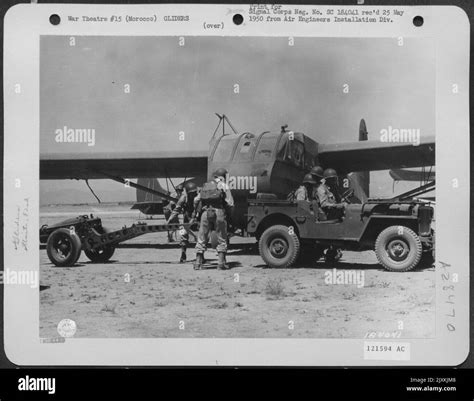
The operation faced a unique diplomatic complexity. The region was controlled by Vichy French forces, who were technically collaborating with Nazi Germany. The Allies were uncertain whether these forces would resist or potentially welcome the invasion.
The Invasion Unfolds
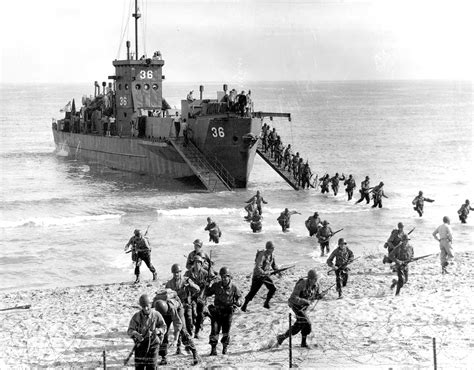
On November 8, 1942, over 107,000 Allied troops began landing on the North African coastline. The invasion encountered varied levels of resistance:
- Casablanca experienced the most significant resistance
- Oran was captured after naval bombardment
- Algiers saw minimal fighting, with some areas even welcoming the Allied forces
Diplomatic Breakthrough
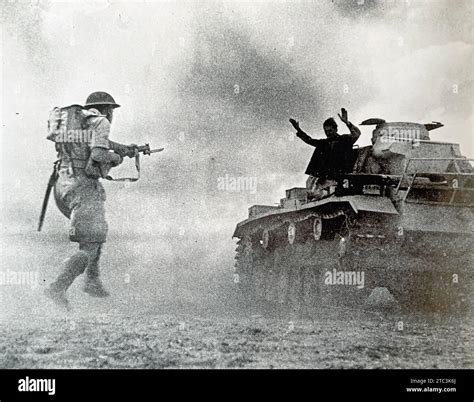
A crucial turning point came when Admiral François Darlan, the Vichy French commander, negotiated a ceasefire with Allied representatives. By November 13, an agreement was reached that effectively brought Vichy French forces into the Allied camp.
Immediate Consequences

Operation Torch was more than just a military invasion. It represented a psychological turning point in World War II. For the first time, American ground forces were directly engaging Axis powers in the European theater. The operation also:
- Demonstrated Allied military coordination
- Provided valuable combat experience for American troops
- Set the stage for future Mediterranean and European campaigns
🌍 Note: The success of Operation Torch would ultimately contribute to the eventual Allied victory in World War II, marking a critical moment in global military history.
Who led Operation Torch?
+
General Dwight D. Eisenhower was the Supreme Allied Commander who led Operation Torch, with support from British and American military leaders.
When did Operation Torch take place?
+
Operation Torch began on November 8, 1942, and lasted until November 16, 1942, with the primary landings occurring on November 8-11.
What was the significance of Operation Torch?

+
It was the first major Allied offensive in World War II, providing combat experience for American troops and opening a new front against Axis powers in North Africa.